
If you’ve read a snack label in the last year, chances are you’ve spotted the phrase “prebiotic fibre” somewhere on the packet.
It’s become one of the most common claims in the better-for-you snack aisle — sitting alongside “no added sugar” and “vegan” on everything from gummies to protein bars.
But what does prebiotic fibre actually do, why has it become such a big deal in gut health circles, and is it worth paying attention to when you’re choosing a snack?
Here’s a full breakdown.
What Is Prebiotic Fibre, Exactly?
Prebiotic fibre is a type of dietary fibre that your body can’t fully digest on its own.
Instead of being broken down in the stomach or small intestine, it travels through to the large intestine, where it becomes food for the trillions of beneficial bacteria living in your gut microbiome.
In simple terms: prebiotic fibre is what feeds your good gut bacteria, helping them thrive.
This is different from probiotics, which are the live bacteria themselves, found in things like yoghurt or fermented foods.
Prebiotics are the fuel; probiotics are the organisms being fuelled.
You can think of it like feeding a garden — probiotics are the plants, and prebiotic fibre is the fertiliser that helps them grow.
One increasingly common source of prebiotic fibre in snack foods is isomalto-oligosaccharide, often shortened to IMO, a plant-derived fibre that also happens to taste mildly sweet — which is why it’s become popular as a sugar alternative in gummies, bars, and other treats.
It delivers sweetness and texture without spiking blood sugar the way regular sugar does, while also feeding gut bacteria along the way.
Why Gut Health Has Become Such a Big Focus
Gut health has moved from a niche wellness topic to mainstream conversation, and for good reason.
Your gut microbiome is now understood to play a role in far more than digestion — it’s linked to immune function, mood regulation, skin health, and even how efficiently your body processes nutrients.
A healthy, diverse gut microbiome is associated with better digestion, more stable energy levels, and improved overall wellbeing.
The problem is that modern diets — heavy in processed foods, low in fibre — don’t always give gut bacteria what they need to thrive.
This has driven demand for foods that actively support gut health, rather than just “not damaging it.”
That’s where prebiotic-fibre-enriched snacks come in: they let you get a treat you actually enjoy while still contributing something functional to your daily fibre intake.
How Much Prebiotic Fibre Do You Actually Need?
Most nutrition guidelines recommend adults aim for around 25–30 grams of total dietary fibre per day, and the vast majority of people fall well short of that target through general diet alone.
While prebiotic-fibre snacks aren’t a replacement for vegetables, legumes, and whole grains, they can be a helpful top-up — especially if you’re someone who struggles to hit your daily fibre goals, or if you’re looking for a snack that does more than just taste good.
It’s worth noting that prebiotic fibre, when consumed in large amounts, can cause digestive discomfort like bloating in some people — which is true of any fibre source when introduced quickly.
The general advice is the same as with any fibre increase: start with moderate amounts and let your gut adjust.
What to Look for on a Label
If you’re shopping for snacks with genuine gut health benefits, here’s what to check for:
A named source of prebiotic fibre, such as inulin, isomalto-oligosaccharide, or chicory root fibre — rather than a vague “fibre added” claim.
The actual gram amount per serving, not just a tick-box claim on the front of the pack.
No excessive sugar alcohols, which are sometimes used interchangeably with prebiotic fibres but can cause more digestive upset in sensitive individuals.
A reasonable sugar profile alongside the fibre claim — a high-fibre snack that’s still loaded with sugar isn’t solving the problem it’s marketing itself as fixing.
How Valli Snacks Uses Prebiotic Fibre
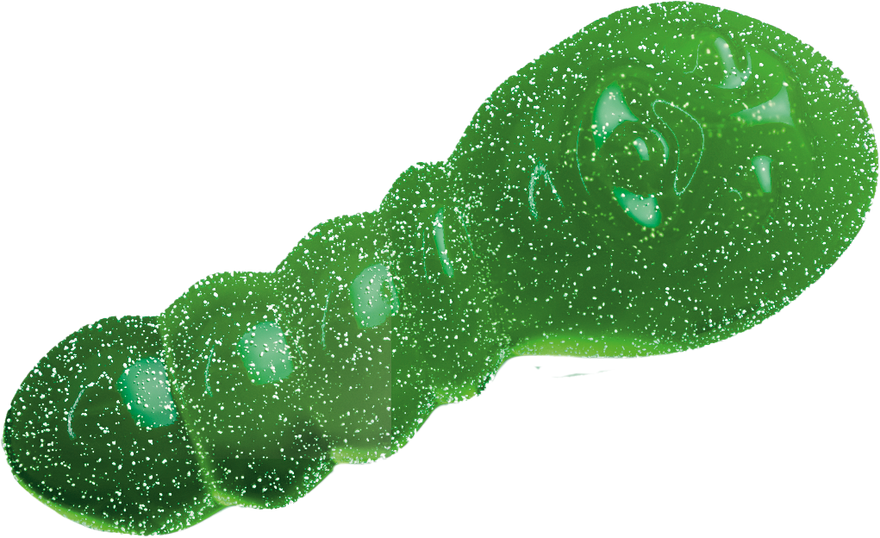
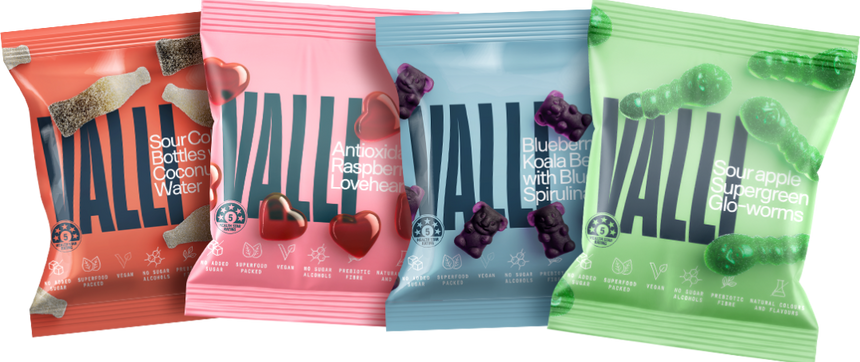
Every flavour in the Valli Snacks range — including Sour Apple Supergreen Glo-Worms, Blueberry Koala Bears with Blue Spirulina, Antioxidant Raspberry Lovehearts, and Sour Cola Bottles with Coconut Water — is sweetened using isomalto-oligosaccharide instead of added sugar.
This single ingredient swap does double duty: it provides the sweetness you’d expect from a gummy lolly, while also delivering a meaningful dose of prebiotic fibre per serving.
That’s a genuinely different approach from candy that simply removes sugar and replaces it with an inert sweetener.
Instead of taking something away and leaving a gap, Valli’s formulation adds a functional ingredient that actively supports digestion — which is part of why the entire range carries a 5 Health Star Rating, a notably high bar for a candy-format snack.
Prebiotic Fibre vs. Traditional Candy: A Quick Comparison
Traditional lollies typically list sugar or glucose syrup as the first ingredient, contributing to blood sugar spikes and offering no nutritional upside beyond taste.
A prebiotic-fibre gummy flips that formula: fibre becomes the primary bulk ingredient, sugar is removed entirely, and the result is a treat that satisfies a sweet craving while contributing to your daily fibre intake rather than working against your health goals.
This doesn’t mean prebiotic-fibre snacks should replace whole-food fibre sources like vegetables, fruit, and legumes — but as an occasional treat, they represent a meaningfully better choice than conventional candy, without requiring any sacrifice in taste or texture.
Simple Ways to Support Your Gut Health Beyond Snacking
While a prebiotic-fibre gummy can be a small daily win, gut health is best supported by a broader set of habits:
Eating a wide variety of plant foods each week to diversify your microbiome.
Including fermented foods like yoghurt, kimchi, or kefir for probiotic diversity.
Staying hydrated, since water helps fibre move through the digestive system effectively.
Managing stress, which has a well-documented two-way relationship with gut health.
Getting enough sleep, which also influences microbiome diversity.
A functional snack fits into this picture as one small, enjoyable piece of a much bigger puzzle — not a stand-alone fix.
The Bottom Line
Prebiotic fibre has earned its place as a genuinely useful addition to snack foods, not just a passing marketing trend.
It feeds the beneficial bacteria in your gut, supports digestion, and — when used well, as it is in isomalto-oligosaccharide-based gummies — can let you enjoy something sweet without the sugar crash or nutritional cost of traditional candy.
If you’re looking for a treat that does more than just taste good, checking the label for a named prebiotic fibre source is one of the simplest upgrades you can make to your snacking habits.
Curious what a prebiotic-fibre-packed gummy actually tastes like? Explore the full Valli Snacks range and taste the difference a functional ingredient can make.