
For years, gym culture ran on a specific piece of urgency: get protein and carbs into your body within 30 minutes of finishing a workout, or you’d waste the session. It made post-workout eating feel like a race against a closing window. The more recent sports nutrition research tells a calmer story — and it opens up a lot more room for post-workout snacks that are actually enjoyable to eat.
Where the 30-Minute Myth Came From
The “anabolic window” idea originated from real research showing that muscles are particularly efficient at absorbing nutrients, especially glucose, in the period following intense exercise. Early interpretations of that research compressed the useful window down to a narrow 30-45 minute panic zone, and that framing stuck in gym culture long after the science moved on.
More recent research paints a more relaxed picture: the practical window for post-workout nutrition is now understood to be several hours wide, not minutes. What matters far more than split-second timing is whether you get a reasonable combination of protein and carbohydrate in within a sensible timeframe afterward, and whether your overall daily protein intake is adequate — a single post-workout snack is a much smaller lever than most people assume.
What Your Body Actually Wants After Training
Strip away the urgency, and the underlying nutritional need is fairly simple: carbohydrate to replenish the glycogen your muscles just burned through, and protein to support the repair process. Both matter, but neither needs to be rushed into your system within minutes.
Carbohydrate specifically deserves a bit more credit than it usually gets in general nutrition advice. Most of the day, minimising quick-digesting carbs is reasonable guidance. Immediately post-workout is a genuine exception — your muscles are primed to use that glucose efficiently, which is exactly the context where a quicker-digesting carbohydrate source, including something sweet, can serve a real physiological purpose rather than just being an indulgence.
Why This Actually Frees Up Your Options
Once you let go of the 30-minute panic, post-workout snacking stops being a narrow, joyless checklist and becomes something you actually have room to enjoy. A few genuinely solid options:
Greek yoghurt with berries. Protein and quick carbohydrate in one bowl, plus a probiotic bonus for gut health.
A banana with a spoon of nut butter. The classic combination for a reason — fast carbs from the fruit, a bit of protein and fat from the nut butter.
Chocolate milk, dairy or plant-based. Long favoured by athletes for a naturally balanced carb-to-protein ratio, and genuinely pleasant to drink after a hard session.
A protein shake with a piece of fruit. Fast, portable, and covers both bases without requiring preparation.
A quick-digesting sweet snack, followed by a proper meal within a couple of hours. This is where a gummy or lolly-format snack genuinely earns a place in a training routine — not as a substitute for real recovery nutrition, but as a fast, easy source of carbohydrate right when your body is primed to use it, especially useful if training fasted or facing a longer gap before the next full meal.
The Case for Choosing a Better-Formulated Sweet Option
If a quick-digesting sweet snack has a legitimate role post-workout, the formulation of that snack still matters. A traditional sugar-loaded lolly does the carbohydrate job, but contributes nothing else, and can contribute to an unnecessary sugar load if it becomes a daily habit rather than an occasional convenience.
A gummy formulated without added sugar, using functional ingredients rather than empty sweetness, does the same quick-carbohydrate job with a meaningfully better overall nutritional profile — useful in the specific post-workout context where fast-digesting sugar genuinely serves a purpose, without becoming a habit you need to justify the rest of the day.
A Simple Framework, Not a Rulebook
Rather than obsessing over a single “perfect” post-workout food, a simple three-part structure covers most of what actually matters:
-
Right after training — something quick-digesting to start the glycogen replenishment process: fruit, a gummy snack, or a small carbohydrate-forward bite.
-
Within the next couple of hours — a more complete meal combining protein, carbohydrate, and some fat. This is where the bulk of actual recovery nutrition happens, not in the first ten minutes.
-
Across the rest of the day — consistent protein intake spread through your meals matters more for overall muscle repair than anything done in the immediate post-workout period specifically.
This structure removes the pressure of finding one flawless recovery snack and replaces it with a much more forgiving, realistic pattern.
Don’t Forget Hydration
Nutrition tends to dominate post-workout planning, but fluid and electrolyte replacement matters just as much, particularly after a heavy sweat session. Water covers most moderate workouts adequately. Longer or more intense sessions may benefit from an electrolyte source — including, incidentally, snacks or drinks that include real coconut water, which naturally contains electrolytes alongside its carbohydrate content.
Why Enjoyment Is the Real Compliance Hack
The single biggest factor separating people who consistently fuel their training well from those who don’t isn’t discipline — it’s whether the recovery routine is something they actually want to do. A theoretically perfect post-workout snack that feels like a chore doesn’t survive contact with a busy week. A genuinely enjoyable option that also happens to fit the nutritional brief does.
This is where having a “treat that works” in the post-workout rotation earns its place — something sweet and satisfying that also does the job, rather than forcing a choice between what you’re craving and what supports your training.
Where Valli Snacks Fits This Picture
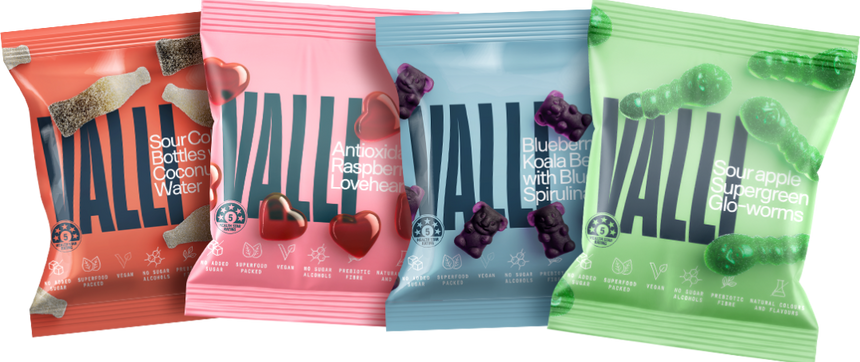
A quick-digesting, no-added-sugar gummy is a genuinely sensible addition to a post-workout routine, particularly right after a session when fast carbohydrate is doing real physiological work rather than just satisfying a craving. Flavours like the Sour Cola Bottles with Coconut Water — which includes real coconut water, useful for post-workout hydration — or the Antioxidant Raspberry Lovehearts offer that quick carbohydrate hit without the added sugar load of a traditional lolly, fitting easily into a routine that also includes a proper protein-rich meal shortly after.
The Bottom Line
The 30-minute anabolic window was never as strict as gym folklore made it sound, and letting go of that urgency opens up far more room to make post-workout snacking something you actually look forward to. What matters is getting a reasonable mix of protein and carbohydrate in within a sensible timeframe, choosing options you’ll actually stick with, and not overthinking the first ten minutes after you put the weights down.
Looking for a post-workout snack that fits the plan without feeling like one? Check out the Valli Snacks range — quick, satisfying, and genuinely worth reaching for after a session.